Secure your webhooks with OAuth 2.0
You can now use Open Authorization 2.0 to authenticate Standard webhooks, giving your platform a stronger and more secure way to receive events from Adyen.
September 2025

Enhanced security for Standard webhooks
OAuth 2.0 provides a stronger alternative to basic authentication. Using it helps protect your server credentials and reduces the risk of unauthorized access when receiving webhook events.
How OAuth 2.0 works
Adyen requests an access token from your OAuth 2.0 identity provider before sending webhook events. The token is included in each webhook request header, allowing your server to verify the request and secure your integration.
How to enable OAuth 2.0
Set up OAuth 2.0 in the Customer Area by providing your client ID, client secret, and the URL of your authorization server. Tokens must have a minimum TTL of one hour, and scopes should follow the principle of least privilege. Remember to rotate credentials regularly for maximum security.
Latest updates
 Protect
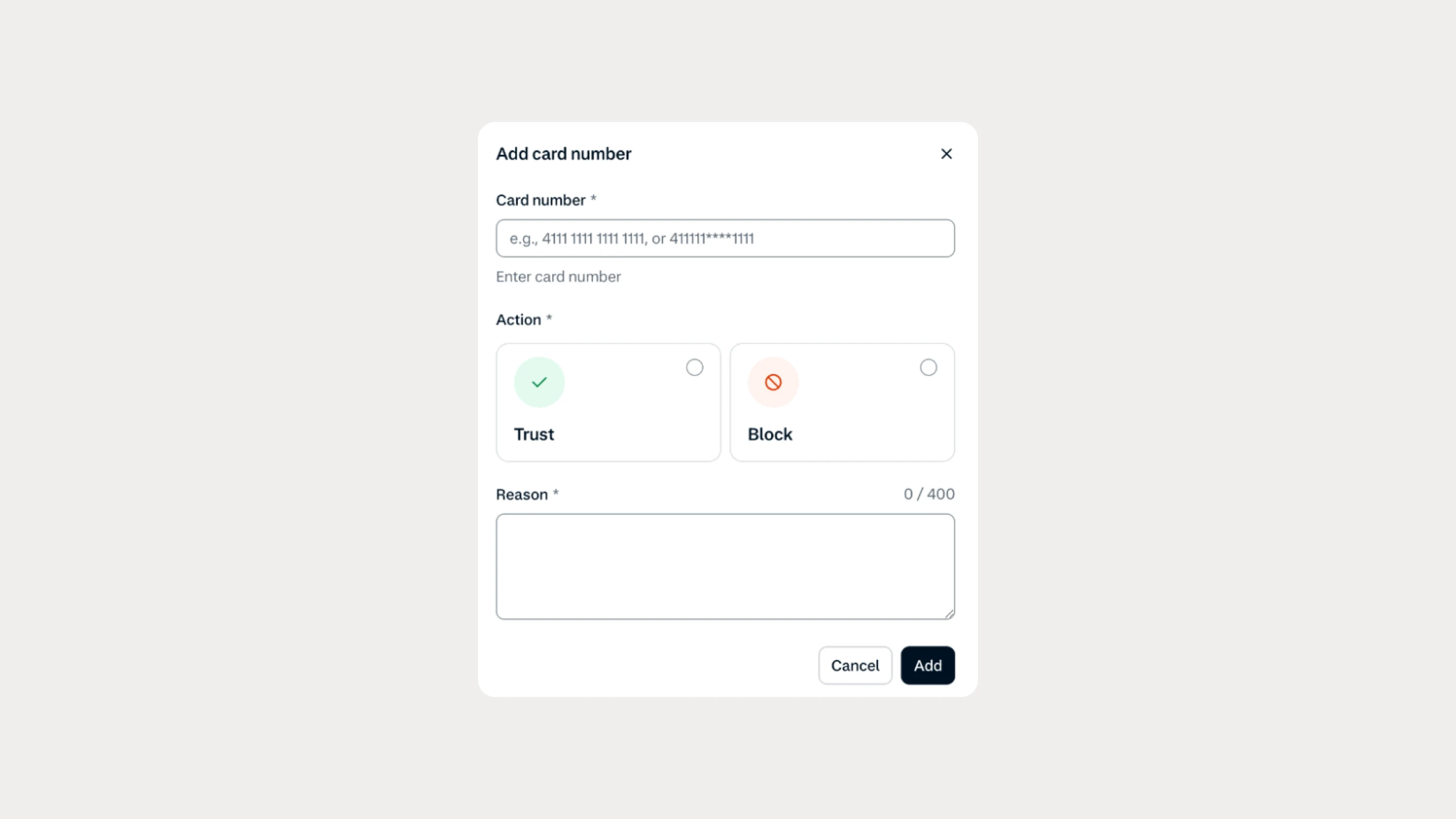
Find and manage risk list entries faster
Manage your risk lists more efficiently with improved search, expanded filters, CSV uploads, and bulk deletion in Customer Area. Investigate blocked transactions faster and handle routine list changes yourself.
 Protect
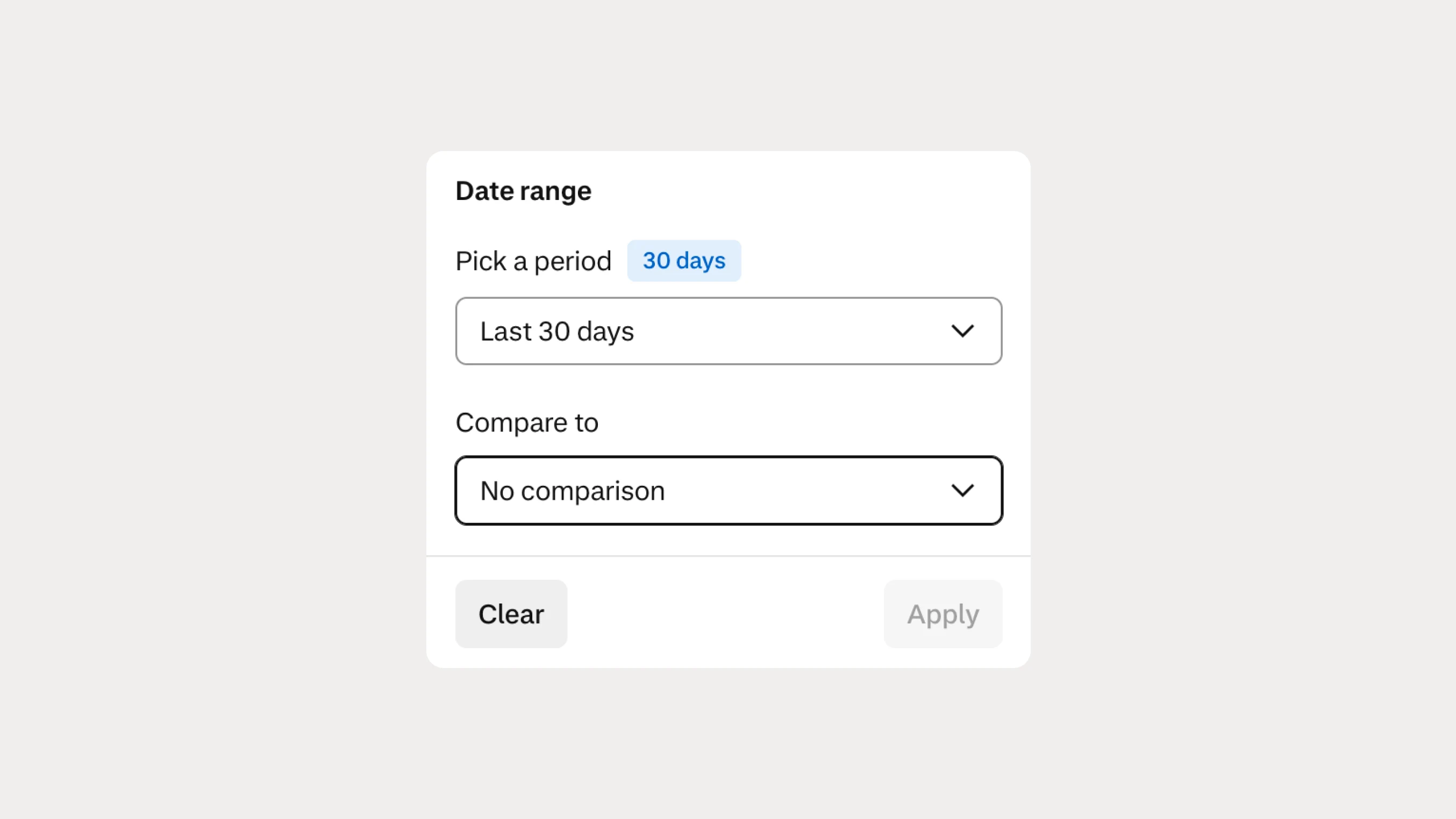
Compare risk and dispute performance across time periods
You can now compare Risk & Disputes analytics across different time periods to identify trends, investigate changes, and make better-informed decisions about your risk operations.