Reports
The complete guide to unified commerce
Connect shopper experiences across all touchpoints and company logistics with unified commerce.
Bring shopper experiences and business operations together across every touchpoint with unified commerce.
Unified commerce solutions bring digital and physical sales channels together with backend operations to support business growth.
The right unified commerce platform helps businesses meet different shopping preferences by connecting orders, payments, and fulfillment, making even complex customer journeys easier.
Shopping preferences are constantly evolving. Customers see every digital and in-person interaction as part of their experience with your brand, not as separate channels.
Unified commerce helps you respond to customer expectations and market changes, strengthen loyalty, and simplify operations.
Explore how a connected approach to payments can help your brand deliver better experiences and stay competitive as commerce evolves.
In this article, you’ll learn:
What is unified commerce?
Omnichannel vs unified commerce: What’s the difference?
Advantages of unified commerce
How does unified commerce work?
Who is unified commerce for?
Unified commerce examples
Unified Commerce with Adyen
Key summary
FAQ
What is unified commerce?
Unified commerce is a strategy for connecting sales channels and backend operations through one integrated platform.
It gives teams a shared view of operations and helps deliver more consistent experiences to customers, wherever they shop.
Here are the key elements that make a unified commerce approach work.
Unified commerce core pillars
Payment processing: One payment gateway and acquiring network for transactions made online, on mobile, and in person.
Real-time inventory synchronization: Inventory levels update across stores and warehouses as purchases are made through different channels.
Unified customer profiles: Shopping behavior and purchase history can be connected to one customer profile across channels.
Consolidated backend reporting: A consolidated dashboard brings reporting and reconciliation data together, reducing manual data consolidation.
Benefits of unified commerce
Disconnected systems can limit growth for retail and commerce businesses. Unified commerce helps remove these barriers and creates opportunities to improve customer experiences and efficiency. Here's a closer look at how unified commerce can benefit your business:
Increase shopper flexibility
Customers want choices when shopping, paying, and receiving orders. By connecting channels and backend systems, unified commerce makes flexible cross-channel journeys possible.
A unified commerce platform can help you introduce payment experiences such as:
Click and collect: Allow customers to place an online order and collect it from a nearby store.
Mobile point of sale (mPOS): Give store associates mobile point-of-sale terminals so customers can pay from anywhere in the store.
Endless aisles: Enable in-store customers to order unavailable items through a tablet or terminal for home delivery.
Pay by Link: Share secure payment links through chat or social channels so shoppers can complete purchases when convenient.
Improve shopper loyalty
Earning customer loyalty means recognizing and rewarding shoppers consistently, regardless of channel. Loyalty programs can be difficult to coordinate when online and in-store transactions sit in different databases.
Unified commerce can link loyalty benefits to a shopper's payment method, supporting a consistent rewards experience across channels.
Payment technologies that can help identify returning customers securely include:
Payment tokenization: Tokenization links a unique shopper reference number to the payment card during the first purchase.
Card-linked loyalty: Link loyalty to customers' frequently used payment cards so they can earn points without carrying a separate card.
Personalized cross-channel offers: Use cross-channel purchase histories to offer promotions that are relevant to individual shoppers.
Connect data to power growth
Data can drive better decisions, but valuable information often sits in disconnected systems. Unified commerce brings customer interactions, sales, and inventory information into a more connected view.
Turning transaction data into actionable insights helps teams make more informed decisions.
These insights can support growth strategies such as:
1. Behavioral marketing: Launch targeted campaigns driven by shopper spending habits, preferred payment methods, and channel affinity. The core of this strategy relies on building a Unified Shopping Profile, which unlocks critical business insights to:
Identify and reward high-value customers: Recognize your most loyal shoppers across all touch points to deliver tailored experiences.
Optimize catalog decisions: Analyze lifetime purchasing behavior to refine inventory selection and product curation.
Structure strategic product bundles: Use historical purchase data to identify natural product affinities for high-converting cross-sells.
2. Automate stock management: Allocate stock based on real-time shopping patterns across storefronts. 3. Regional expansion: Spot high-performing products and payment preferences to guide physical store openings or localized online expansions.
Streamline operations
Teams running multichannel businesses often manage reconciliation, inventory, and refunds across disconnected backend tools.
By bringing fragmented systems together, unified commerce can reduce manual work, limit errors, and make day-to-day operations more efficient.
Connecting sales channels can improve operational processes including:
Financial reconciliation: Collect online and in-store payment reports into a consolidated report, making financial reconciliation easy with consolidated reporting.
Simplified refunds: Let customer service teams issue cross-channel refunds, like refunding an online order directly from an in-store cash register.
Consolidated vendor management: Reduce overhead related to managing multiple contracts and integrations by working with a unified commerce platform.
Automated stock management: Eliminate manual inventory counts and cross-channel discrepancies by automatically updating a single, centralized stock ledger whenever a sale occurs online or in-store.
Regional expansion: Standardize and launch new storefronts in minutes using the same operational backend, removing the need to build, test, and maintain unique technical architectures for every local market.
Unified commerce vs omnichannel: What’s the difference?
Omnichannel focuses on connecting customer-facing channels. Unified commerce goes further by bringing those experiences and the underlying systems and data together.
Omnichannel can enable journeys such as buying online and returning in-store, even when separate legacy systems remain behind the scenes.
Unified commerce connects customer-facing channels with backend operations through an integrated platform. This reduces the need for manual data synchronization and helps businesses deliver more consistent experiences.
The table below compares omnichannel and unified commerce approaches:
Backend architecture
Omnichannel
Relies on separate databases connected via APIs or middleware
Unified commerce
Runs on a single, shared database
Payment processing
Omnichannel
Often uses different payment providers for online checkout and physical stores
Unified commerce
Consolidates all payments through one global processor
Data consistency
Omnichannel
Can experience delays in syncing stock levels and shopper data
Unified commerce
Can update all systems in real time
Operational complexity
Omnichannel
Requires IT teams to maintain multiple software licenses and integrations
Unified commerce
Streamlines maintenance through a single vendor
How does unified commerce work?
Unified commerce connects sales, customer, inventory, and payment information through an integrated data and processing environment. When someone makes a purchase, connected systems can process the payment, update inventory, and reflect the transaction in the customer's profile.
Customer-facing channels, including mobile apps and POS terminals, connect with backend tools such as enterprise resource planning (ERP) and warehouse management systems.
Here's what a connected shopping journey can look like:
Order: A shopper makes the purchase at this touchpoint. This can be online, on mobile, or in-store.
Pay: The transaction gets processed behind the scenes. The payment gateway processes the payment, while protecting the shopper's card details and linking the purchase to their cross-channel profile.
Receive: The physical or digital fulfillment of the purchase. The shopper receives their purchase at home, can pick it up from a store, or have an out-of-stock item shipped from another branch.
Who is unified commerce for?
Unified commerce is relevant to businesses selling through multiple channels that want to reduce operational silos and create connected customer experiences. An integrated platform can help businesses simplify workflows, manage costs, and support growth.
Although many businesses can benefit, unified commerce is especially relevant in these industries:
Unified commerce in retail
In retail, unified commerce helps brands offer more connected and personalized shopping experiences. Retailers can recognize returning shoppers across online and offline channels and provide relevant offers or recommendations.
Connecting payments and inventory can help retailers offer alternatives when products are out of stock and respond to shopping trends.
Unified commerce in hospitality
Hotels and hospitality brands may use separate systems for reservations, dining, and spa payments. Unified commerce can connect these transactions to a shared guest profile.
With connected systems, hospitality businesses can let guests charge dining, spa services, and retail purchases to their rooms and settle the balance at checkout.
Unified commerce in F&B
Across restaurants, quick-service outlets, and delivery, unified commerce can make ordering and payment experiences more consistent. Businesses can connect kiosks, apps, table service, and delivery channels with kitchen and payment systems.
This can help staff handle orders more efficiently, reduce wait times, and support preferred payment methods.
Unified commerce examples
Real-world unified commerce examples show how connecting online and offline channels can improve efficiency and customer experiences.
These businesses have used Adyen to connect payments, respond to changing shopping habits, and support international growth.
HUGO BOSS
HUGO BOSS wanted to provide shoppers with secure, flexible shopping options globally. By partnering with Adyen, they implemented payment solutions like Visa Network Tokens and 3D Secure, alongside Pay by Link.
Learn how HUGO BOSS is setting a new standard for shopping experiences and successfully serves its shoppers.
B&B Hotels
B&B Hotels needed to expand into new international markets without compromising guest experience. They used Adyen's Unified Commerce platform to centralize their booking and front-desk systems globally, letting them recognize guests across properties.
Discover how B&B Hotels is driving business growth with Unified Commerce while offering personalized stays.
On Running
Swiss sportswear brand On Running wanted to understand payment preferences in Japan. By integrating online and offline channels through Adyen, they delivered a localized shopper journey in Tokyo.
See how On is maximizing multi-channel retail potential in Tokyo to build deeper brand engagement.
Domino's
Domino's needed to streamline franchise operations and adapt to digital-first diner habits. By integrating online delivery and in-store payments into a single platform, they gained operational agility.
See how Domino's used F&B payments to improve decision-making and scale loyalty.
Adyen’s unified commerce platform
Note: Unified Commerce is currently available in the following markets within APAC: Australia, Malaysia, Hong Kong SAR, Japan, Malaysia, and New Zealand.
Adyen's unified commerce platform brings online, in-app, and in-store payments together.
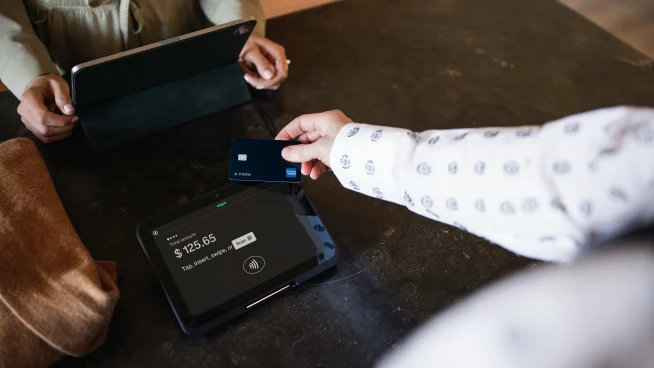
Adyen sits at that moment online, in-store, and across emerging agentic channels. When a customer taps their card, you can recognize who they are at the moment. Instead of relying on a blanket 20% discount, you can use what you know about the customer to offer a relevant reward and apply it as part of the purchase experience.
Your business remains in control of its strategy, budget, and policies, with a more connected customer view to inform those choices. That context can help you focus on the outcomes that matter, from conversion and margin to customer lifetime value and inventory.
At checkout, connected information can help bring customer recognition, loyalty, and payments into one experience.
Adyen offers capabilities designed to simplify commerce and support growth:
Single global platform: Manage across multiple channels and regions through one integration and contract.
Advanced tokenization: Link payment cards to shopper accounts to power card-linked loyalty programs with tokenization.
Real-time reporting: Access consolidated financial reports and shopper insights through an intuitive dashboard.
Built-in risk management: Protect your business from fraud across channels with automated security tools.
With Adyen, your teams can spend less time managing payment infrastructure and more time improving customer experiences. Our payment infrastructure is designed to support growth, conversion, and more efficient operations.
Connect your operations, strengthen customer loyalty, and grow with confidence.
Cut operational silos, drive customer loyalty, and scale with confidence. Get in touch with our team today.
Unified commerce faq
Omnichannel connects shopper-facing channels, while unified commerce integrates those frontend channels with all backend systems and databases. Unified commerce ensures real-time updates across stock, shopper profiles, and payment processing.